Humo AI Video Generator The Open-Source Standard for
Human-Centric Video Generation
Unifying Lip-Sync, Identity Preservation, and Motion Control. Experience the next generation of digital human synthesis.
Audio-Driven
Lip Synchronization
High-fidelity lip movements perfectly synced with arbitrary audio input.
Collaborative
Multi-Modal
Seamlessly integrates text, audio, and visual cues for unified generation.
Minimal-Invasive
Object Injection
Insert objects naturally into scenes without disrupting the original context.
Time-Adaptive
Guidance
Dynamic temporal control ensures consistent motion across video frames.
HuMo AI Video Generator
Transform your imagination into vivid video content using advanced AI technology. Support for multiple generation modes to meet different creative needs.
upload reference image
supports JPG, PNG formats
What Is Humo AI?
Humo AI is an open-source video generation framework developed by ByteDance Research. Unlike traditional text-to-video tools, it utilizes "Collaborative Multi-Modal Conditioning," allowing users to control the output using text prompts, reference images, and audio tracks simultaneously. Built upon the efficient Wan2.1-T2V-1.3B foundation, it solves the problem of "uncontrollable" AI video by ensuring the visual output strictly adheres to user-defined identity and sound.
Key Features of Humo AI
Unlock professional video capabilities with advanced multimodal inputs that eliminate the randomness of standard AI generation models.
Collaborative Multi-Modal Conditioning
Unlike models that struggle to balance inputs, Humo AI uses a "collaborative" mechanism. It weights Text for scene context, Image for character identity, and Audio for timing, allowing all three to control the final video output harmoniously.
Audio-Driven Lip Synchronization
The model features state-of-the-art lip-sync technology. It analyzes the input audio waveform to drive mouth movements frame-by-frame, ensuring that the character's speech matches the sound perfectly, making it ideal for realistic virtual avatars.
Minimal-Invasive Object Injection
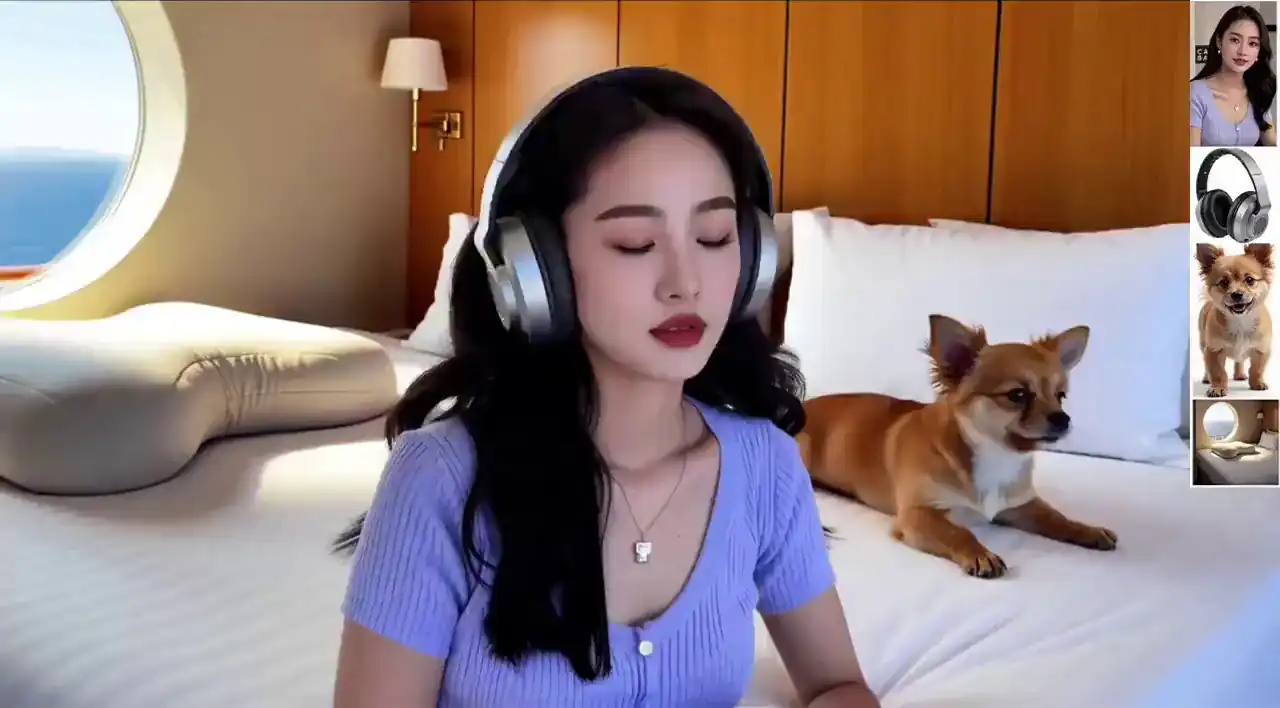
You can insert specific props into a scene without breaking the character's look. For instance, prompting a character to "hold a guitar" integrates the object naturally while preserving the original facial features and lighting of your reference image.
Time-Adaptive Guidance
Humo AI solves the "jitter" problem using Time-Adaptive Guidance. It intelligently shifts the model's focus from "visual consistency" in the early generation steps to "motion dynamics" in later steps, resulting in stable and fluid video clips.
Humo AI vs. Google Veo 3
Compare open-source control against closed-source generation to decide which model fits your production workflow and budget.
Audio Control Mechanism
Google Veo 3
Typically generates its own audio based on the video visuals, which can be random.
Humo AI
Accepts user-uploaded audio, giving you absolute control over the voice, tone, and pacing of the final result.
Accessibility and Licensing
Google Veo 3
A proprietary tool often locked behind APIs or waitlists.
Humo AI
Open-source under the Apache 2.0 license, empowering developers to download the weights, inspect the code, and deploy it privately without usage fees.
Video Duration Capabilities
Google Veo 3
Excels at generating longer, cinematic sequences.
Humo AI
Currently optimized for short, 4-second loops (97 frames), focusing on high-precision character acting rather than long-form storytelling.
Hardware Dependencies
Google Veo 3
Runs on Google's cloud infrastructure, requiring no local hardware.
Humo AI
Designed for local execution, requiring a powerful setup like an NVIDIA RTX 3090 or 4090 to function effectively, offering privacy but demanding resources.
Why Choose Humo AI?
Gain full ownership of your creative pipeline with consistent character identities and precise timing tools that huge models lack.
True Director Control
For creators who need a specific actor to say a specific line at a specific time, generic models fail. Humo AI restores this control, acting as a digital puppeteer that follows your exact multi-modal instructions without deviation.
Identity Consistency
Maintaining a character's face across different videos is the "Holy Grail" of AI video. Humo AI's image conditioning locks the identity, allowing you to place the same actor in multiple scenarios without them morphing into a different person.
Rapid Open-Source Innovation
Being open-source means the community constantly improves it. Unlike closed "black box" models, you can tweak the Humo code, adjust guidance scales, or integrate it into complex workflows like ComfyUI as soon as community nodes are built.
Technical Architecture and Limitations
Understand the underlying transformer mechanisms and current constraints to optimize your local deployment and expectations.
The Two-Stage Training Strategy
Humo AI achieves its precision through a split training process. Stage 1 is dedicated to "Subject Preservation" to learn the face, while Stage 2 focuses strictly on "Audio-Visual Sync," teaching the model how lips move to sound.
VRAM and Hardware Demands
This is not a lightweight tool. To run the full TIA (Text-Image-Audio) pipeline, you need at least 24GB of VRAM. Users with standard gaming cards (8GB-16GB) will likely face Out of Memory (OOM) errors or extremely slow inference times.
The 4-Second Limitation
The current architecture is capped at 97 frames at 25fps, resulting in roughly 4 seconds of video. While excellent for memes, talking heads, or B-roll, it cannot yet generate full-length scenes in a single pass.
Real-World Use Cases for Humo AI
Transform static assets into dynamic content for social media, marketing, and interactive digital experiences using AI control.
Digital Avatars and Chatbots
Developers can integrate Humo AI into customer service bots. By feeding text-to-speech audio into the model, static profile pictures can become animated, talking assistants that engage users more effectively than text interfaces.
Viral Social Media Content
Content creators can leverage the "singing photo" trend with higher quality. Upload a famous meme or celebrity photo and a trending audio track to create perfectly synced, high-resolution video clips for TikTok or Instagram.
Film Pre-visualization
Directors can use Humo AI for "previz." By using photos of cast members and reading lines from a script, they can generate rough video storyboards to visualize camera angles and dialogue timing before filming.
Dynamic Product Advertising
Marketers can utilize Humo AI's unique object injection capability for efficient ad production. By prompting a consistent brand ambassador to interact with specific props—such as holding a beverage or a smartphone—brands can generate diverse product showcase videos from a single reference image without organizing complex reshoots.
Generated Video Samples
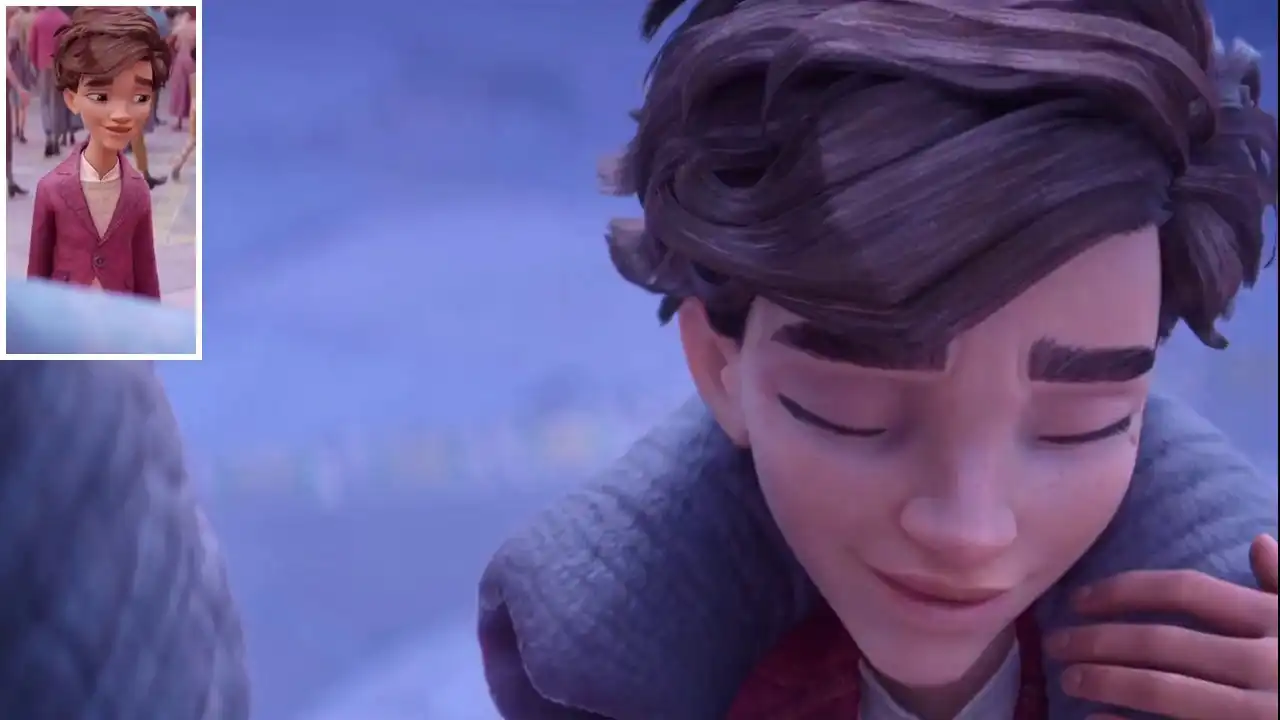
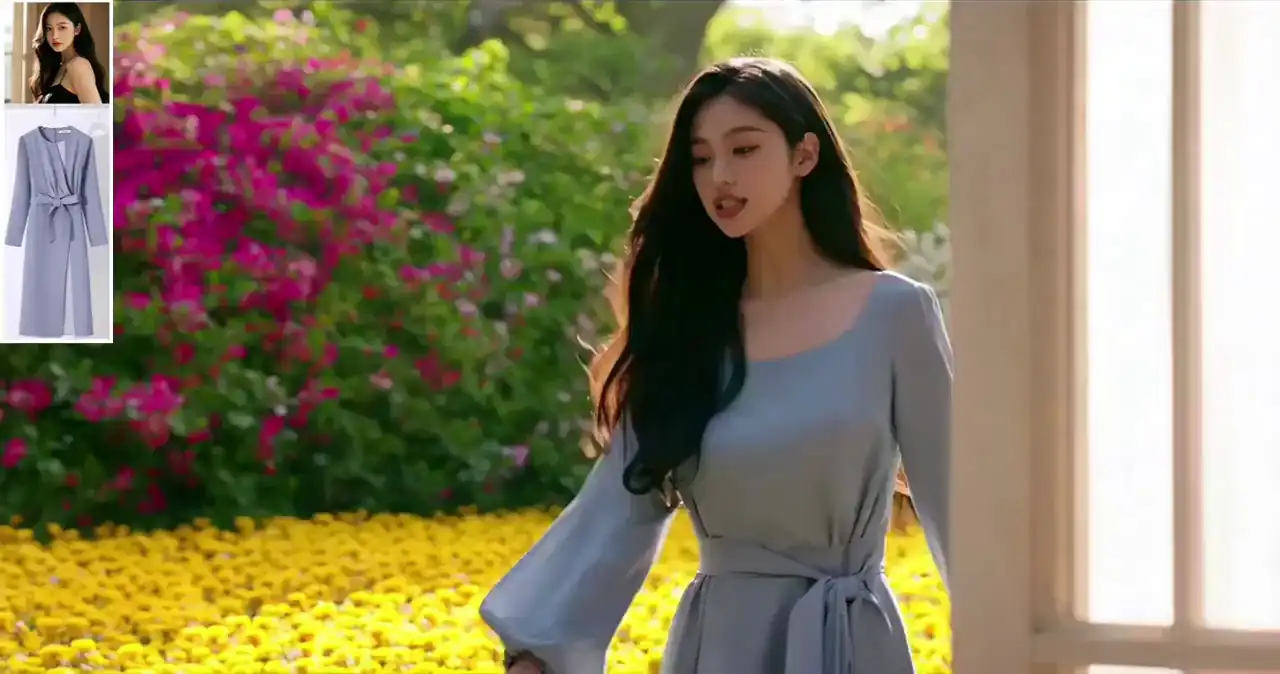
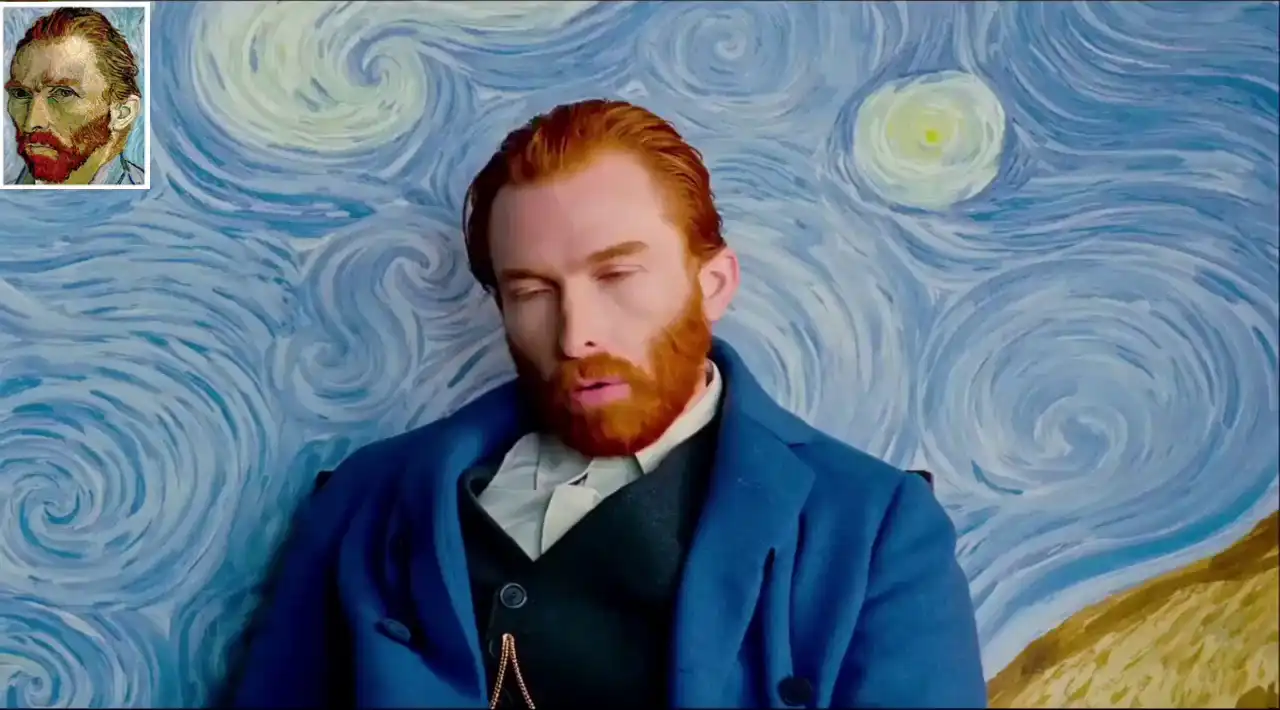
View real-world examples of lip-synchronization and object interaction generated directly from audio and text prompts.





Frequently Asked Questions
Get quick answers regarding hardware compatibility, commercial licensing terms, and troubleshooting common installation errors.
What is HuMo AI?
HUMO AI is a human-centric video generation system that combines text, image, and audio inputs to produce videos where identity is consistent, prompts are followed, and motion aligns with sound.
Which inputs can I use?
You can use text and audio (TA), or text, image, and audio together (TIA). Reference images help keep the subject's appearance stable.
What resolutions are supported?
480p and 720p are supported. 720p offers higher quality and finer details.
How long can the generated videos be?
The model was trained on 97 frames at 25 FPS. Longer outputs can work, but quality may drop unless using a checkpoint built for longer durations.
Can I run it on multiple GPUs?
Yes. The reference implementation supports multi-GPU inference with FSDP and sequence parallelism.
What should I tune for audio sync?
Increase audio guidance scale and ensure clean audio. You can also use an audio separator to reduce background noise if needed.
Is HUMO AI open source?
The research and reference materials are publicly available for study. Check the project resources for details.
How is it different from other AI video models?
Unlike other models, Humo AI gives you direct control by allowing you to upload audio, photo references, and text prompts to guide the generation process.